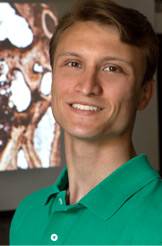
My research covers diverse and interdisciplinary topics, and I often just call myself a scientist. Still, I am perhaps best described as a paleontologist with an interest in experimental and molecular taphonomy (i.e., how fossils preserve). Whether in the field, museum collection, or lab, my work often focuses on fossilization, dinosaurs, feather evolution, and sexual selection. I study these topics through experimentation, statistical simulations, and direct analyses of fossils and modern organisms.
With my collaborators, I have led development of a sediment-encased, high-heat, high-pressure maturation method to simulate longterm, deep-burial diagenesis and produce synthetic fossils. This method has opened new avenues of research to study the preservation potential of biomolecules through fossilization, has attracted popular media interest, and is being utilized by PhD students at several international universities in their own research. Ultimately, I plan to broaden this experimental approach to understand how organic fossils would preserve under early Earth conditions, predict how organics and pollutants from modern environments will appear in the future rock record, and aid in the search for extraterrestrial fossils by simulating burial conditions on moons and other planets.
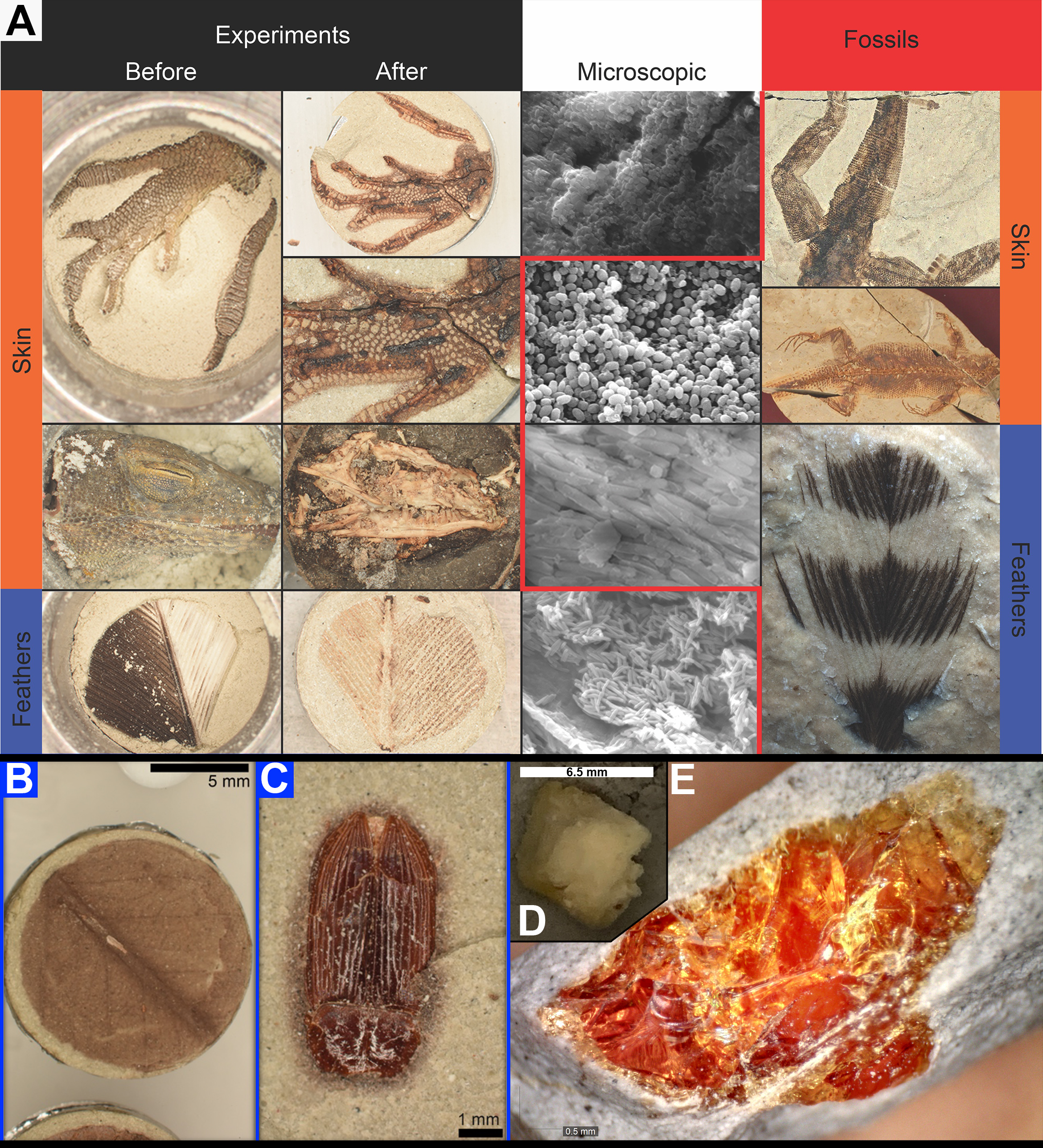
Sediment-encased maturation. A, lizards & feathers before & after maturation compared to fossils macro- & microscopically (electron microscopy), revealing exposed melanosomes. Matured carbohydrate-based tissues (e.g., B, leaves; C, insects) resemble fossils. D, fresh tree resin matured, E, to resemble copal/amber. (Saitta et al. [2019], A–C; Saitta & Kaye [2025], D–E).
I am originally from Jacksonville, Florida, USA. I am a Research Associate of Chicago’s Field Museum of Natural History in the Life Sciences Section of its Negaunee Integrative Research Center (previously a Bass Postdoctoral Researcher in the Earth Sciences Section), one of the nation’s top museums. Most recently, I was a Postdoctoral Scholar at the University of Chicago, one of the top US universities and centers of paleontology research, in the Fossil Lab of the Department of Organismal Biology & Anatomy (Biological Sciences Division). I have taught paleontology as an Adjunct Lecturer at the University of Illinois Chicago in the Department of Earth and Environmental Sciences (cross-listed with the Department of Biological Sciences) and have also adjunct lectured at Benedictine University (Lisle, IL) in Biological Sciences.
This work is performed alongside an extensive network of collaborators from North America, Europe, Asia, and South America, specifically from the following countries: USA, Germany, China, United Kingdom, Ireland, India, Canada, Spain, Argentina, Denmark, Italy, and Brazil.
My research has been covered in media outlets, such as The New York Times, BBC (including National and Bristol radio), The Atlantic, Science, Smithsonian Magazine, Scientific American, Discover Magazine, The Guardian, Los Angeles Times, NBC News, ABC News, Illustreret Videnskab, Popular Science, The Economist, International Business Times, Cosmos, Inverse, Live Science, Der Spiegel, Vice, Atlas Obscura, IFLScience, National Geographic, PBS Eons, New Scientist, USA Today, Sky News, MIT Technology Review, and The Skeptics Guide to the Universe.
CURRICULUM VITAE
Education


#1 paleontology research group globally (Center for World University Rankings 2017);
Earth Sciences – #2 UK & #16 globally (Shanghai Global Ranking of Academic Subjects 2019), #19 globally (QS World University Rankings by Subject 2016);
Russell Group
Ph.D.
Geology, University of Bristol (U.K.), Viva 2018
Thesis: The taphonomy of soft tissues and the evolution of feathers
M.Sc. Distinction
Palaeobiology, University of Bristol (U.K.), Completed 2015
Thesis: The taphonomy of keratin in archosaurs
#1 U.S. university (U.S. News & World Report 2010, 2012-2015, etc.);
Ivy League
B.A. Magna Cum Laude
Ecology & Evolutionary Biology, Princeton University, 2014
Thesis: Paleobiology of North American stegosaurs: Evidence for sexual dimorphism
Media: Princeton University Office of Communications, Princeton Alumni Weekly
General coverage of my research:
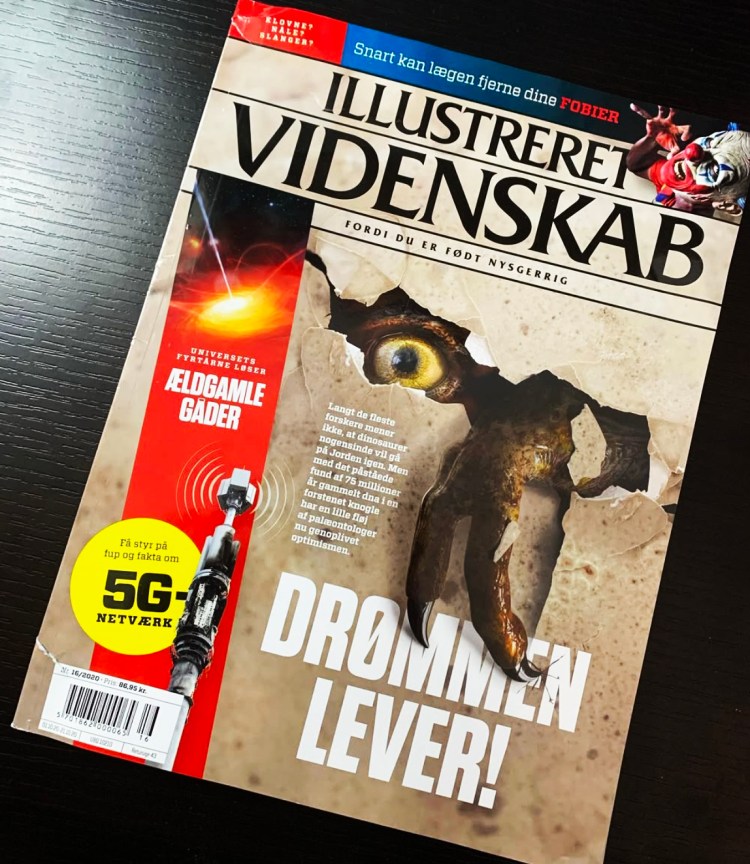
Magazine article (cover story): Science Illustrated (in Danish, also see Australian version)
Written interview: Darwin’s Door (University of Birmingham student blog)

Radio interview: These Vibes Are Too Cosmic (WPRB Princeton 103.3)
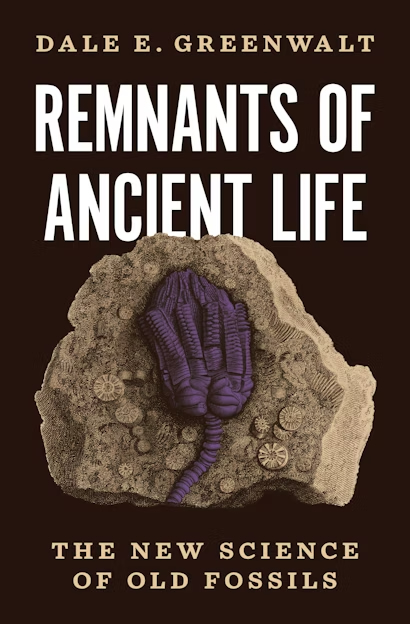
Brief mention in: Greenwalt (2023) Remnants of Ancient Life. Princeton University Press
Links:






 Evan T. Saitta, Ph.D.