
Curating beyond the natural
Natural history museums should consider expanding their mission by intensively collecting and curating domesticated, hemerophilic, and genetically engineered animals, plants, and fungi. Doing so will improve the study of evolutionary biology and anthropology, as well as mitigate against future climatic and economic challenges.
Preprint: Saitta 2025, EcoEvoRxiv
Art: “A Grey Spotted Hound” by John Wootton (1738), downloaded from Yale Center for British Art, Public Domain
Reconsidering publication policy
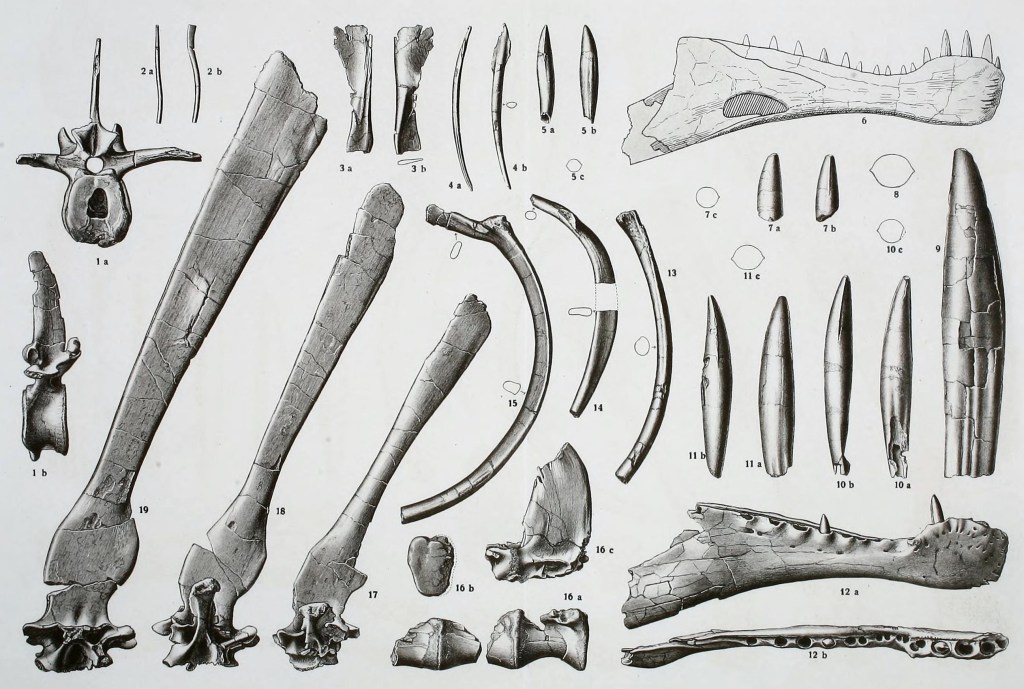
What do reproducibility and accessibility mean in science? The best way to ensure long-term survival of data on extinct organisms is to collect and disseminate the data while it is currently available. In contrast, willfully ignoring known specimens due to uncertain curatorial futures constitutes data falsification, a form of research misconduct. In practice, the publication policy of the Society of Vertebrate Paleontology inconsistently barring some (but not all) private collections is used to censor and bully competing researchers, not to encourage deposition of fossils into responsible repositories or stem rampant inflation in the fossil market.
Preprint: Saitta 2020, PaleorXiv
Photo: Smithsonian Institution Archives, 1906, Public Domain

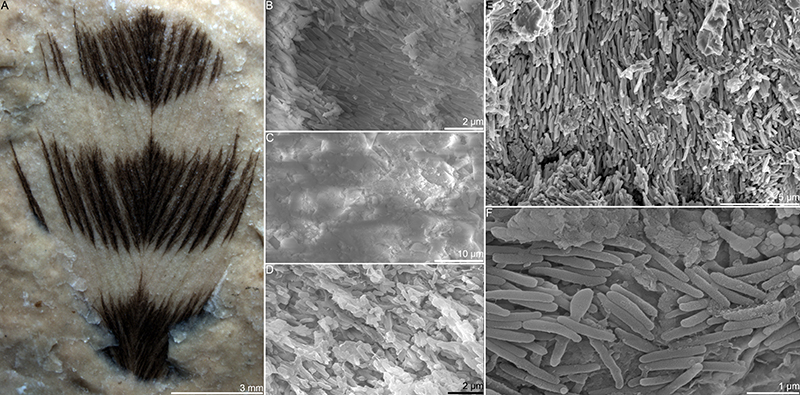
Keratin proteins? Replication vs. Validation
Antibody stains used to identify keratin protein in fossils might be adhering to substances other than keratin. Repeating the method does not always provide additional insight. Instead, triangulating results with other methods suggests that proteins do not preserve in Mesozoic fossils. Organic fossil feathers are preserved via more stable melanin pigment.
Study: Saitta & Vinther 2019, Palaeontologia Electronica
 Evan T. Saitta, Ph.D.